Mastering the Creaming Method: Your Ultimate Guide to Fluffy Cakes and Perfect Cookies
Every home baker dreams of creating light, airy cakes and perfectly chewy cookies. The secret to achieving these coveted textures often lies in a fundamental technique known as the creaming method. This comprehensive guide will demystify this essential baking process, explaining what it is, how it works, and how to execute it flawlessly every time. By understanding the science and mastering the steps, you’ll not only bake more delicious treats but also gain a deeper appreciation for the intricate art of baking.
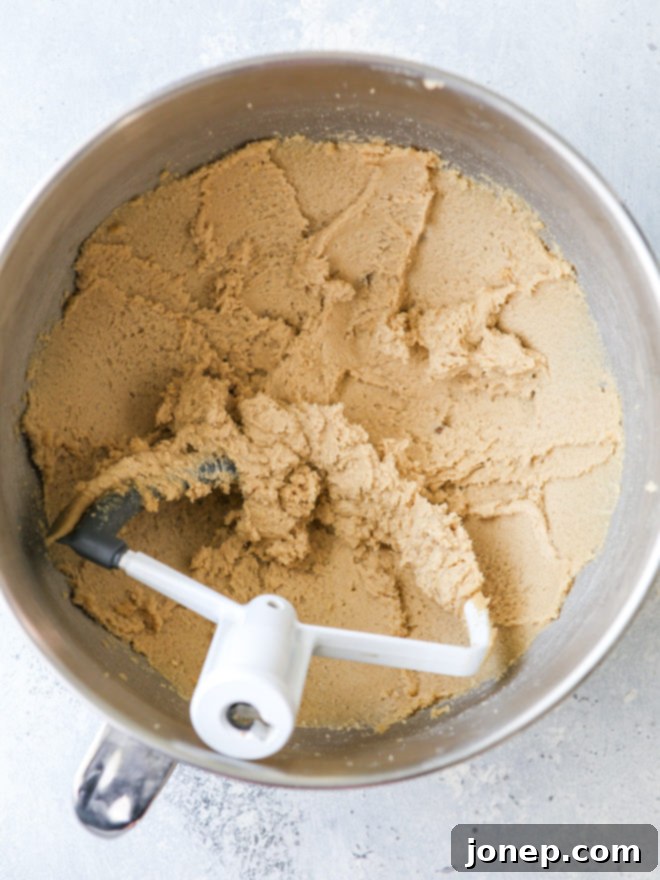
What is the “Creaming Method”?
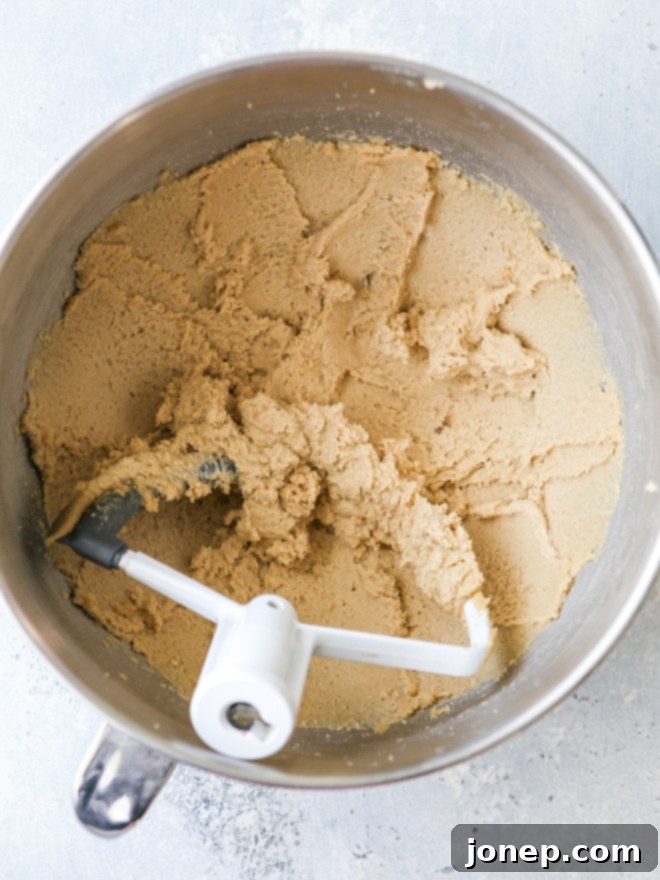
At its core, the creaming method is a specific technique for mixing fat (most commonly butter) and sugar together, forming the foundation for many beloved baked goods. When a recipe instructs you to beat or “cream” softened butter and sugar, you are employing this crucial method. The magic happens as the sharp edges of the sugar crystals cut into the softened butter, creating countless tiny air pockets throughout the mixture. This aeration is not merely a mixing step; it’s a vital chemical and physical process that profoundly impacts the final texture, rise, and structure of your baked creations.
These minuscule air cells are crucial for leavening. During baking, these trapped air bubbles expand from the heat, causing your batter or dough to rise. Additionally, this aeration contributes significantly to the desirable light and fluffy texture of cakes, as well as the perfect tender chewiness in cookies. Without proper creaming, cakes can turn out dense and heavy, and cookies might spread excessively, losing their intended shape and texture. It’s often considered the most important step in recipes that call for it, setting the stage for success or failure.
So, let’s delve into the specifics of how to master this technique and ensure your baked goods are always a triumph!