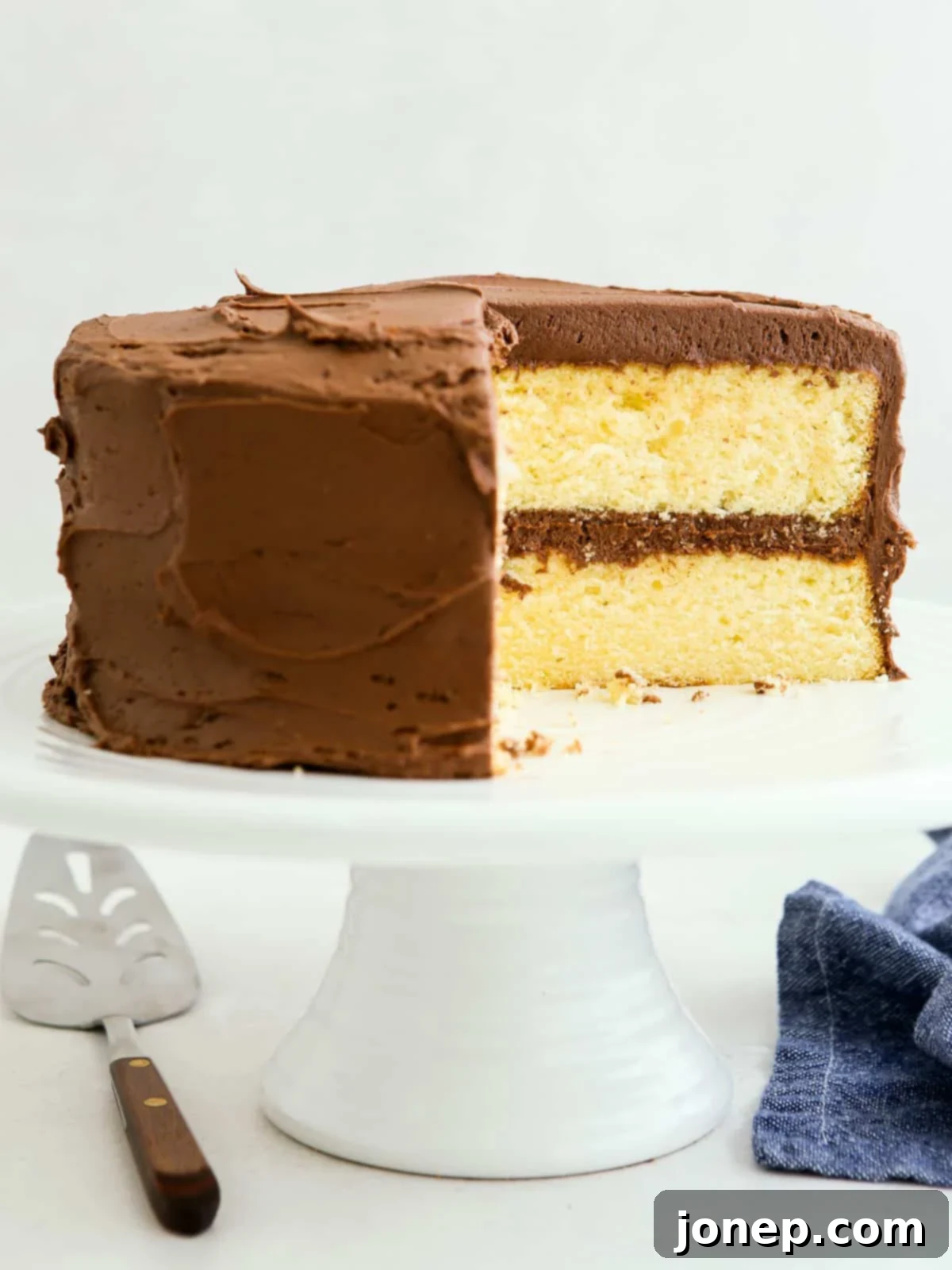
10 Foolproof Cake Baking Tips for Perfectly Tender Cakes
After years of experimenting in the kitchen, I’ve compiled 10 essential cake baking tips designed to help you create consistently tender cakes with even layers, ensuring stress-free and delightful results every single time.
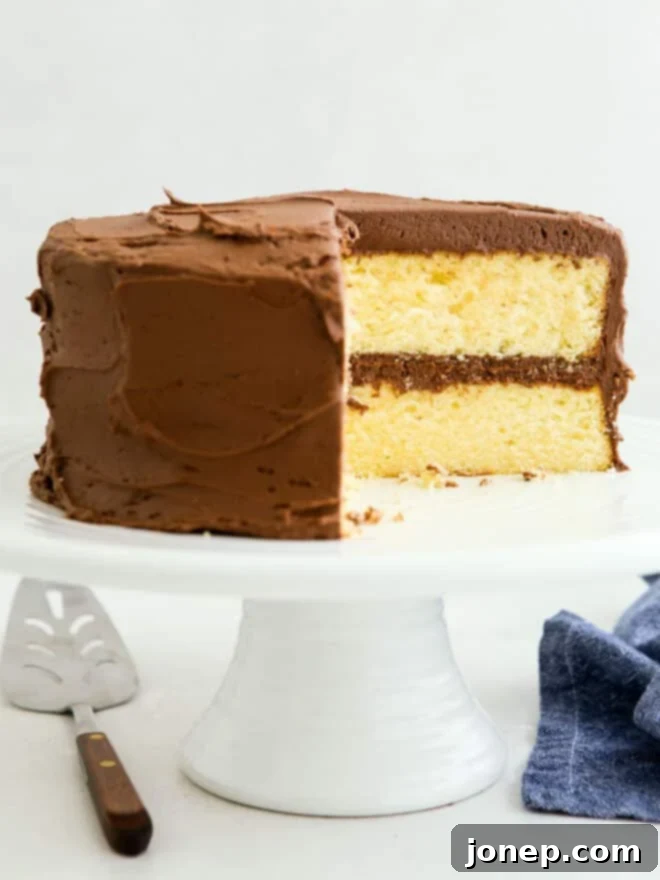
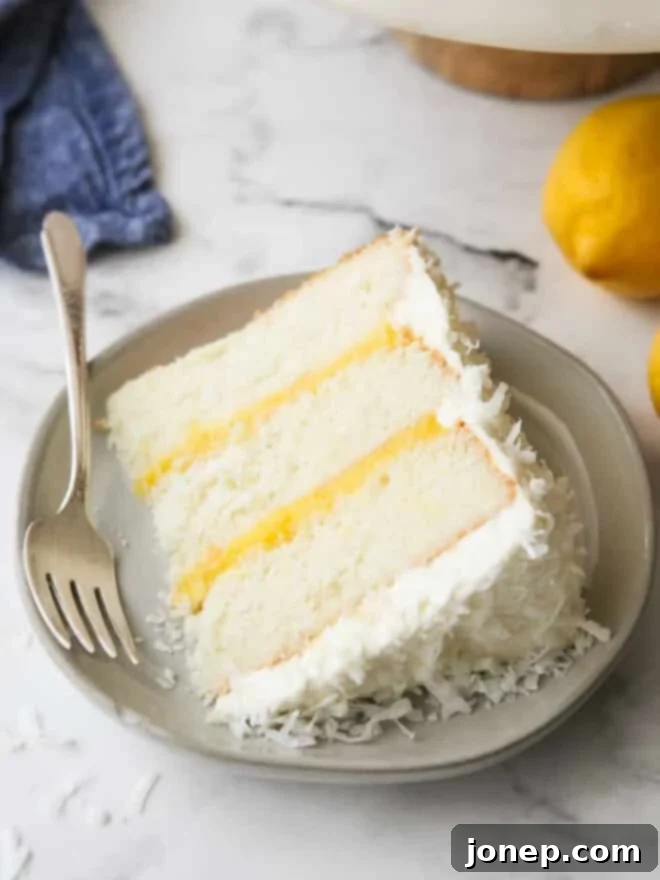
Over the years, I’ve baked countless cakes: birthday cakes that bring smiles, elegant wedding cakes, simple sheet cakes for gatherings, comforting snack cakes, and impressive bundt cakes for special occasions. While the recipes and styles vary significantly, my core baking process remains the same. These are the small, consistent habits that make a world of difference in the final outcome of any cake.
None of these cake baking tips are particularly complicated or require advanced skills. However, when implemented together, they are the key to achieving evenly baked cakes that stack beautifully and taste as amazing as they look. If you’re looking to achieve more reliable and impressive results with every cake you bake, this is the perfect place to start!
10 Things I Always Do When Baking a Cake
Here’s a quick overview of the essential cake-baking habits I rely on every time I bake. Click on any tip below to jump directly to the detailed explanation, or simply scroll down to read through them all.
- Use Room Temperature Dairy and Eggs
- Measure Ingredients Accurately Using a Kitchen Scale
- Enhance Flavor with Salted Butter
- Optimize Texture with Cake Flour
- Sift Dry Ingredients for Even Distribution
- Bake Evenly with Light-Colored Metal Pans
- Line Pans with Parchment Paper for Easy Release
- Ensure Even Layers by Weighing Cake Batter
- Test for Doneness Using the Finger Press Method
- Chill Cake Layers Before Assembling
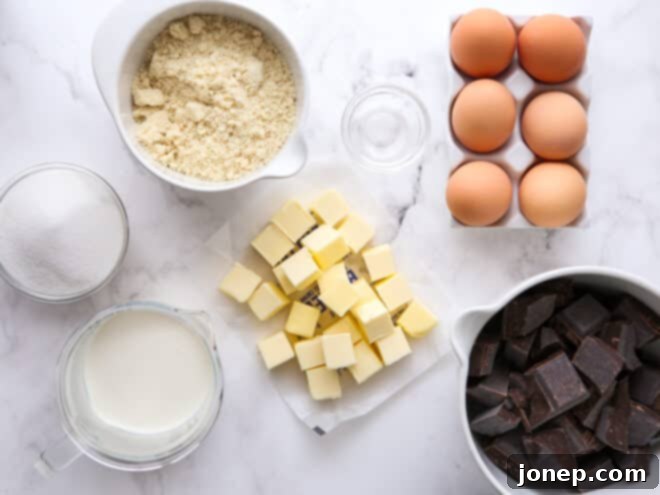
1. Use Room Temperature Dairy and Eggs for Optimal Mixing
Using room-temperature ingredients allows them to mix together more easily and smoothly, which reduces the amount of mixing required and results in a softer, more delicate cake texture. Cold eggs and liquids can also lower the overall temperature of the batter, which can inhibit proper baking and rise once the cake is placed in the oven. I always try to remove butter, eggs, and other dairy products from the refrigerator approximately 30–60 minutes before I plan to start baking.
Quick Tip: If you forget to take ingredients out of the refrigerator ahead of time, there are simple methods to quickly bring eggs, butter, and cream cheese to room temperature.
2. Measure Ingredients Accurately Using a Kitchen Scale for Consistent Results
Accurate and consistent measurements are crucial for achieving the best possible results in your cakes, and using a kitchen scale is the most reliable way to ensure this accuracy. Measuring cups can lead to significant variations from person to person, especially when measuring flour. A kitchen scale provides precise measurements every time, guaranteeing consistent outcomes.
Added Benefits of Using a Kitchen Scale: Using a scale is quicker and easier because you can add all ingredients directly into your mixing bowl. This also results in fewer dirty dishes to clean and reduces the risk of accidental measurement errors (e.g., “Did I add two cups or three?“). Embracing the use of a kitchen scale can significantly streamline your baking process and enhance the quality of your cakes.
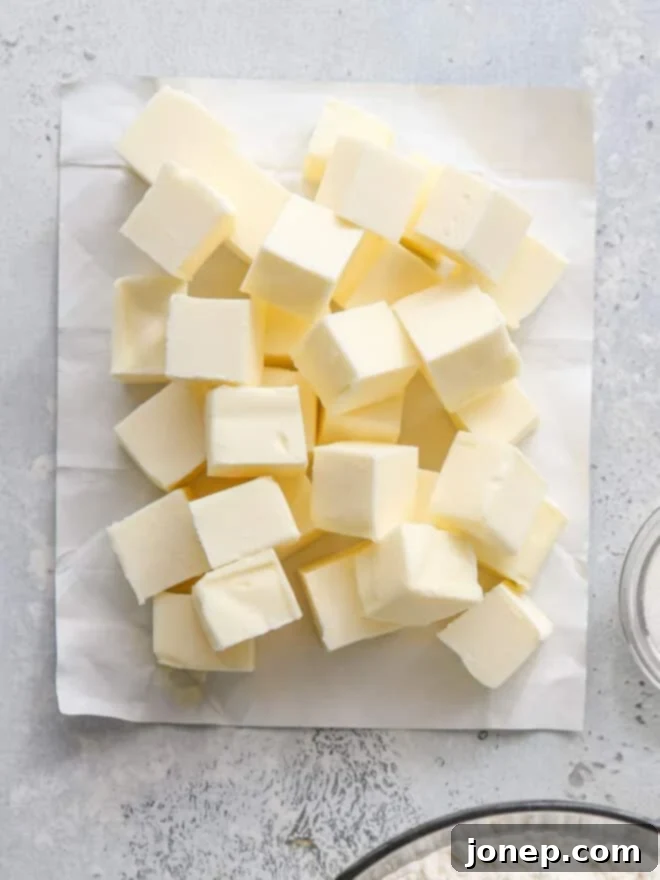
3. Enhance Flavor in Cakes with Salted Butter
While it may seem counterintuitive, using salted butter has become a game-changer in my baking routine. I now almost exclusively bake with salted butter instead of unsalted butter. Starting with salted butter introduces a base level of flavor that enhances the overall taste of your cake. The salt complements the sweetness of the other ingredients and adds depth to the flavor profile.
If your cake recipe also calls for additional salt, don’t omit it. The small amount of added salt balances the sweetness and enhances other flavors. Don’t worry about the cake becoming overly salty; the overall balance will create a richer and more complex flavor.
4. Optimize Cake Texture with Cake Flour for a Softer Crumb
Cake flour genuinely makes a noticeable difference in the texture and overall quality of your cakes. Cake flour has a lower protein content compared to all-purpose flour. This results in less gluten formation, leading to a softer, finer crumb that is characteristic of delicious cakes. If a recipe specifically calls for cake flour, it’s best to use it whenever possible to achieve the intended delicate texture.
Substitue Tip: If you don’t have cake flour on hand, you can create a substitute by combining 3/4 cup plus 2 tablespoons of all-purpose flour with 2 tablespoons of cornstarch for every 1 cup of cake flour required in the recipe. This substitution will help mimic the lower protein content of cake flour and achieve a similar tender crumb.
5. Sift Dry Ingredients for Even Distribution and Lighter Texture
Sifting dry ingredients such as flour, cocoa powder, baking powder, and baking soda is an often overlooked but crucial step in cake baking. Sifting helps remove any lumps that may have formed in the dry ingredients and ensures even distribution throughout the batter. This seemingly small step helps the batter mix more quickly and evenly, which reduces the need for excessive stirring.
Minimizing stirring is essential because overmixing can develop gluten, leading to tougher cakes. By sifting the dry ingredients, you promote a lighter cake texture and a more uniform crumb, especially in delicate recipes where the balance of ingredients is critical.
Easy Sifting Tip: To streamline the process, place a large mesh strainer over your mixing bowl on top of a kitchen scale. Weigh all of your dry ingredients, zeroing out the scale between each addition, and then sift them directly into the bowl. This method saves time and ensures that the dry ingredients are perfectly measured and sifted in one step.
6. Bake Evenly with Light-Colored Metal Pans for Consistent Results
The type of pan you use can significantly affect how a cake bakes, just as much as the recipe itself. Light-colored metal pans are ideal for baking cakes evenly because they reflect heat, while dark pans absorb more heat and can lead to over-browned edges and uneven baking. I also recommend avoiding glass or ceramic pans, as they do not conduct heat as efficiently and can result in cakes that are either underbaked in the center or overbaked around the edges.
I highly recommend using aluminum Fat Daddio cake pans for their consistent performance and even heat distribution. If you prefer taller cakes, opt for 8-inch pans, while 9-inch pans are better suited for wider, shorter cakes. Choosing the right pan can make a significant difference in the final product.
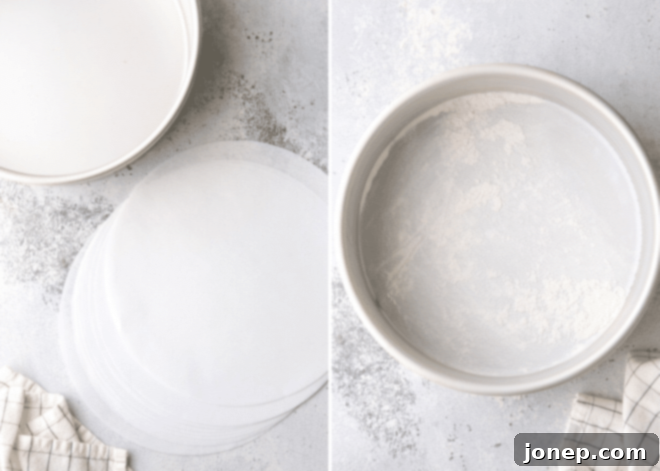
7. Line Pans with Parchment Paper for Effortless Cake Release
While greasing a cake pan is essential, greasing it and then lining it with parchment paper provides an added layer of protection against sticking. I always line the bottom of my greased cake pans with parchment paper to ensure the cake releases cleanly every time. The only exception to this rule is when baking bundt cakes, where the intricate design of the pan can make parchment lining difficult. There’s nothing more frustrating than a beautifully baked cake that gets stuck to the pan, so taking this extra step is always worth it.
Parchment Paper Tip: You can cut parchment rounds from parchment sheets or rolls, but I find it more convenient to use pre-cut parchment rounds. They save time and ensure a perfect fit every time.
8. Ensure Even Layers by Weighing Cake Batter in Pans
Here’s another excellent use for your kitchen scale! I weigh the batter as I divide it between cake pans to ensure each pan contains the same amount. This ensures that each cake layer bakes at the same rate and stacks neatly, giving the cake a more polished and professional look. Consistent layer sizes are essential for creating a balanced and visually appealing cake.
Weighing Batter Tip: If you know the weight of your mixing bowl, you can calculate the total weight of the batter and divide that number by the number of cake pans you’re using. Alternatively, you can measure as you go and adjust as needed. I usually start with approximately 1 pound (455 grams) of batter in each of my pans and adjust from there to achieve even distribution.
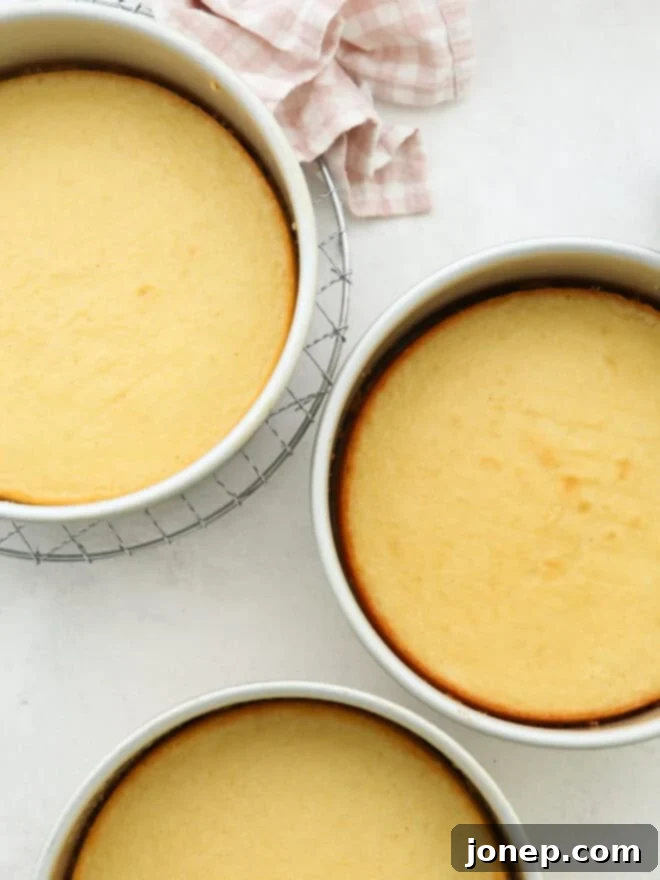
9. Test for Doneness Using the Finger Press Method
While toothpicks and thermometers are commonly used to test for cake doneness, I prefer to rely on a more intuitive method. I rarely use a toothpick or thermometer. Instead, I observe the cake through the oven door to ensure the top appears dry and set. Then, I gently tap and press the top of the cake with my finger.
If the top feels squishy or presses in too easily, I know it needs a few more minutes in the oven. If the cake feels firm and springy beneath my finger, I know that the centers are fully baked and the cake is done. This method allows me to gauge the doneness of the cake with confidence, resulting in perfectly baked cakes every time.
10. Chill Cake Layers Before Assembling for Easier Frosting
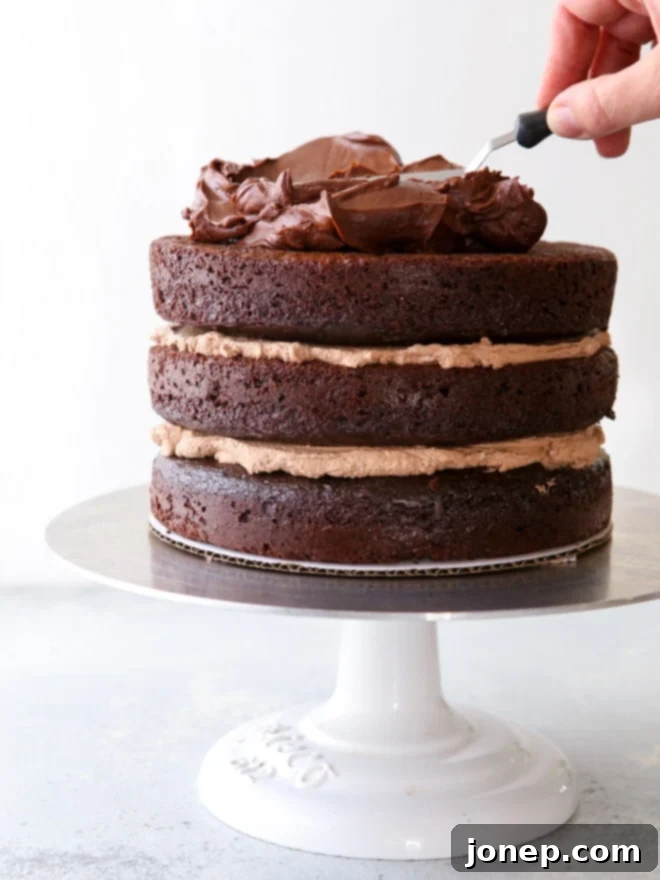
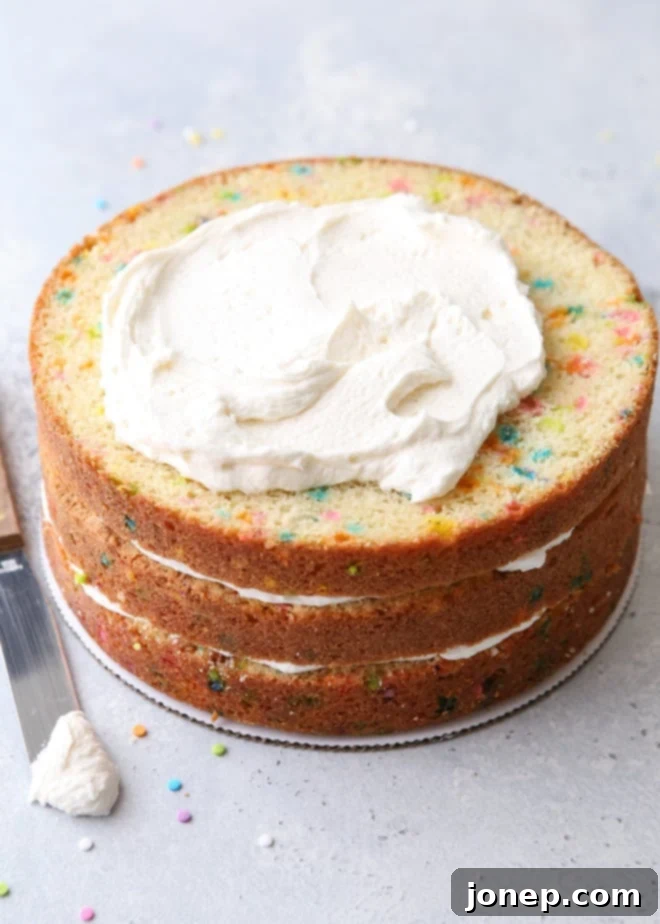
Warm or room-temperature cake layers are often fragile and tend to crumble easily, making them challenging to work with during assembly and frosting. Chilling cake layers makes them sturdier, easier to level, and much easier to frost without tearing or crumbling. Even a short chilling period of 30–60 minutes in the refrigerator can make stacking and frosting a cake far less stressful and more successful.
More Helpful Cake Baking Resources
- My Favorite Cake Tools for Perfect Results
- How to Properly Store and Freeze Cake Layers
- Step-by-Step Guide: How to Build and Assemble a Layer Cake
Ready to start baking? Explore my complete cake recipe collection here for endless inspiration and delicious cake recipes!